• MAUA SCHOOL OF HOSPITALITY AND MANAGEMENT

    LogoWelcome to Maua School of Hospitality Management.

    Maua School of Hospitality offers flexible, high-quality online courses designed to equip learners with practical skills, professional knowledge, and global competence in the hospitality and health sciences sectors. Our programs are ideal for students, working professionals, and entrepreneurs seeking career advancement through convenient and accessible online learning.
    🍽️ Hospitality Courses
    Our Hospitality programs prepare learners for success in hotels, restaurants, catering services, and tourism-related industries. The courses emphasize customer service excellence, operational efficiency, and professional ethics.
    Key areas of study include:
    Introduction to Hospitality Industry
    Food and Beverage Service Operations
    Front Office and Housekeeping Management
    Customer Care and Guest Relations
    Event Planning and Catering Management
    Food Safety, Hygiene, and Quality Standards
    Career opportunities: Hotel supervisor, restaurant manager, catering manager, front office assistant, and event coordinator.
    🥗 Nutrition and Dietetics Courses
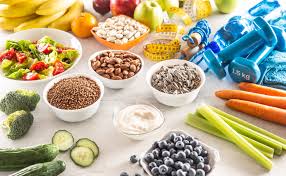
    The Nutrition and Dietetics programs focus on promoting healthy lifestyles, disease prevention, and proper dietary management using scientifically sound principles. These courses combine theory with practical applications suitable for community and clinical settings.
    Course content includes:
    Principles of Human Nutrition
    Anatomy and Physiology
    Diet Planning and Meal Preparation
    Therapeutic and Clinical Nutrition
    Community and Public Health Nutrition
    Food Safety and Nutrition Education
    Career opportunities: Nutrition assistant, dietetics aide, wellness consultant, community nutrition worker, and food service supervisor.
    🖥️ Why Choose Maua School of Hospitality Online?
    ✔ Flexible online learning – study anytime, anywhere
    ✔ Industry-relevant curriculum
    ✔ Qualified and experienced instructors
    ✔ Affordable and accessible programs
    ✔ Continuous assessments and practical assignments
    ✔ Certificate awarded upon successful completion
    🎓 Our Commitment
    At Maua School of Hospitality, we are committed to nurturing skilled, ethical, and innovative professionals who can meet the evolving demands of the hospitality and health sectors both locally and internationally.

    (You can edit or remove this text)

Available courses


Nutrition and Dietetics is a field of study that focuses on food, nutrients, and their impact on human health. It involves understanding how the body uses nutrients and applying this knowledge to promote health, prevent disease, and manage medical conditions.


1. Nutrition

Nutrition is the science that studies:

  • Nutrients in food (carbohydrates, proteins, fats, vitamins, minerals, and water)

  • How the body digests, absorbs, and uses nutrients

  • The relationship between diet and health

  • The effects of poor nutrition (malnutrition, obesity, deficiencies)

It emphasizes healthy eating habits for growth, development, and disease prevention.


2. Dietetics

Dietetics is the practical application of nutrition science. It involves:

  • Planning balanced diets

  • Providing nutrition counseling

  • Managing diets for people with medical conditions (e.g., diabetes, hypertension)

  • Promoting healthy lifestyles in communities

Professionals in this field are called dietitians or nutritionists.


3. Areas of Study in Nutrition and Dietetics

  • Human anatomy and physiology

  • Food science and food preparation

  • Clinical nutrition

  • Community nutrition

  • Therapeutic diets

  • Food safety and hygiene

  • Nutrition assessment


4. Career Opportunities

Graduates can work in:

  • Hospitals and health facilities

  • Schools and training institutions

  • Community health programs

  • NGOs and humanitarian organizations

  • Food industries

  • Private nutrition consultancy


5. Importance of Nutrition and Dietetics

  • Prevents malnutrition and nutrient deficiencies

  • Reduces risk of chronic diseases

  • Supports recovery from illness

  • Improves overall quality of life